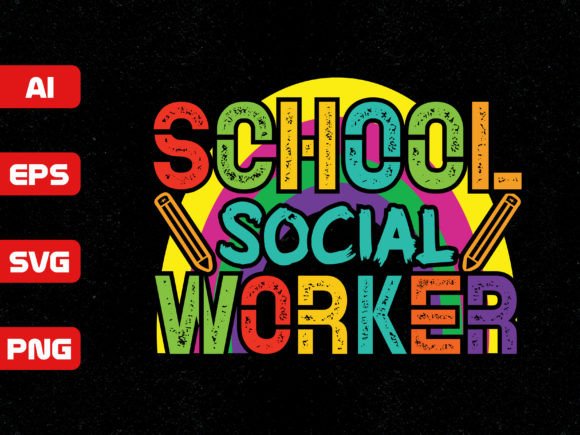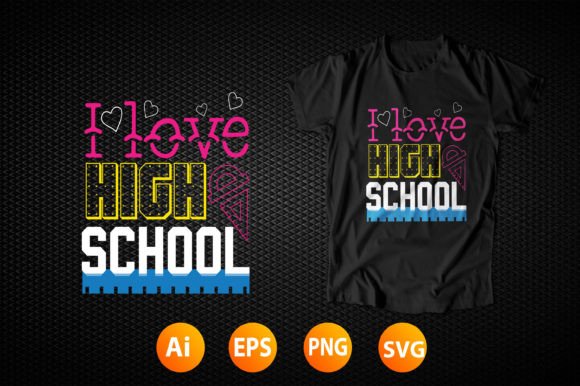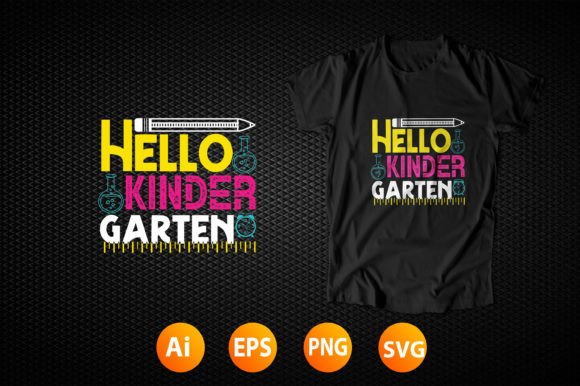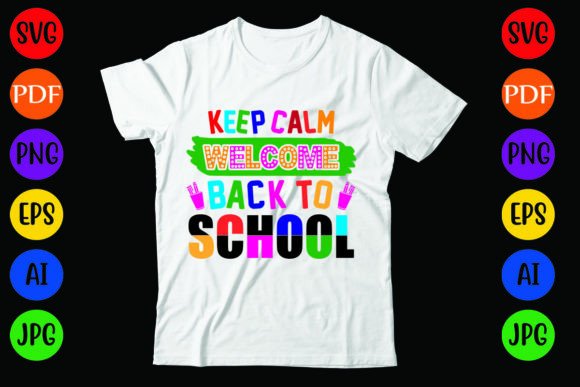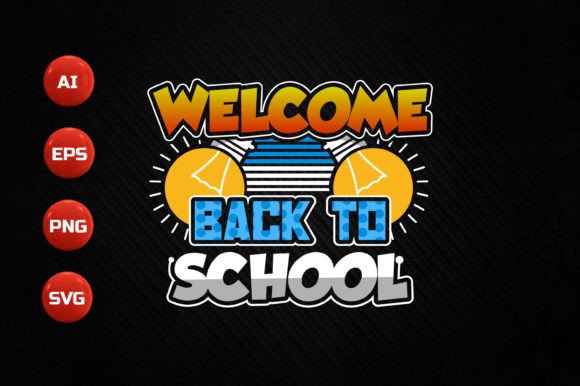
Back to School T-shirt Design 201: A Strategic Tool for Creative Expression and Branding
Back to School T-shirt Design 201 is more than just a visual concept—it's a versatile resource that supports creative expression, branding, and practical application across various industries. Whether you're an entrepreneur, educator, or hobbyist, this design offers a foundation for thoughtful decision-making and execution. With its print-ready format and flexibility in color and scalability, it provides a strong starting point for anyone looking to create meaningful, reusable content.
Understanding the Value of Back to School T-shirt Design 201
At its core, Back to School T-shirt Design 201 is a digital asset designed for ease of use and adaptability. It includes AI-generated, EPS, PNG, and SVG files, making it accessible for a wide range of applications. This design isn't limited to t-shirts alone; it can be used for scrapbooking, printable decorations, iron-on transfers, engraving, cut machines, and more. Its vector-based structure ensures that every shape remains sharp and scalable, no matter the size or medium.
The strategic value of this design lies in its ability to support multiple goals. For instance, educators might use it as a classroom theme, while small business owners could incorporate it into promotional materials. The key is to align the design with specific objectives, ensuring that each use contributes to a larger purpose.
When to Use Back to School T-shirt Design 201
Back to School T-shirt Design 201 is most effective when used with intention. Consider using it during back-to-school campaigns, seasonal promotions, or educational events. It’s also ideal for personal projects, such as creating custom gifts or organizing themed activities. By identifying the right context, users can maximize the impact of the design without overextending its utility.
For example, a local boutique might use the design to create limited-edition t-shirts that resonate with students and parents. A teacher could adapt the design for classroom decorations or student projects. In both cases, the design serves as a bridge between creativity and practicality.
How to Approach Back to School T-shirt Design 201
Before relying on Back to School T-shirt Design 201, it's important to consider your goals and audience. Ask yourself: What message do I want to convey? Who is my target audience? How will this design fit into my broader strategy?
Start by defining the purpose of the design. Is it for branding, education, or entertainment? Once you have clarity, you can tailor the design to meet those needs. For instance, if your goal is to build brand recognition, focus on consistent use across different platforms. If your aim is to engage students, consider interactive elements or customization options.
Another key step is to explore the design’s flexibility. Since it allows for easy color changes and resizing, experiment with different variations to see what works best for your project. This process not only enhances the design’s appeal but also helps you understand its full potential.
Strategic Observations and Practical Tips
One of the strengths of Back to School T-shirt Design 201 is its adaptability. This makes it a valuable tool for long-term planning. For example, a marketing team might use the design as a recurring element in their campaigns, adjusting colors and layouts to reflect seasonal themes or new product launches.
Consider integrating the design into your workflow. If you’re a graphic designer, include it in your library of reusable assets. If you’re a small business owner, use it as a template for future projects. This approach saves time and ensures consistency across your offerings.
Additionally, think about how the design can support customer experience. Customizable elements allow customers to personalize their purchases, which can increase engagement and satisfaction. For instance, a clothing brand might offer a range of color options, letting customers choose their preferred style.
Risks of Using Back to School T-shirt Design 201 Without Clarity
While Back to School T-shirt Design 201 is powerful, it can also be misused. Without clear goals or context, it may lead to wasted resources or diluted messaging. For example, using the design in unrelated projects can confuse your audience and weaken your brand identity.
Another risk is over-reliance on the design without considering alternatives. While it’s a solid choice, it’s important to evaluate other options to ensure you’re making the best decision for your needs. Diversifying your design portfolio can help you stay competitive and innovative.
Finally, neglecting to test the design in real-world scenarios can lead to unexpected issues. Before finalizing any project, review the design for quality, scalability, and usability. This step ensures that your end result meets your expectations and delivers value to your audience.
Intentional Use of Back to School T-shirt Design 201
To use Back to School T-shirt Design 201 intentionally, start by aligning it with your broader strategy. Ask questions like: How does this design support my goals? What value does it add to my audience? How can I make it more impactful?
For instance, if you're planning a back-to-school event, use the design to create promotional materials that reflect your brand’s values. If you're teaching a class, incorporate the design into lesson plans or student activities. In each case, the design becomes a tool for connection and communication.
Remember, the goal is not just to use the design but to leverage it effectively. This requires careful planning, experimentation, and reflection. By approaching Back to School T-shirt Design 201 with intention, you can unlock its full potential and achieve meaningful results.
Long-Term Value and Realistic Use Cases
Back to School T-shirt Design 201 offers long-term value when used strategically. Its versatility allows it to evolve with your needs, making it a sustainable choice for ongoing projects. For example, a nonprofit organization might use the design for annual campaigns, adjusting elements to reflect new initiatives or messages.
Realistic use cases also highlight the design’s practical benefits. A freelance artist could use it as a base for client projects, adding unique touches to meet specific requests. A school administrator might use it for uniform designs, ensuring consistency and cost-effectiveness.
In each scenario, the design serves as a foundation for creativity and efficiency. By focusing on realistic applications, you can avoid unnecessary complexity and maintain a clear direction for your work.