Back to School Patterns: A Guide to Seamless Design and Practical Use
Back to School Patterns are a popular choice for educators, artists, and designers looking to create visually engaging materials for the new school year. These patterns often feature themes like books, pencils, backpacks, and classroom elements, making them ideal for everything from stationery to digital marketing. Whether you're designing a presentation or creating printable resources, understanding how to choose and use these patterns effectively can make a big difference in your results.
What Are Back to School Patterns?
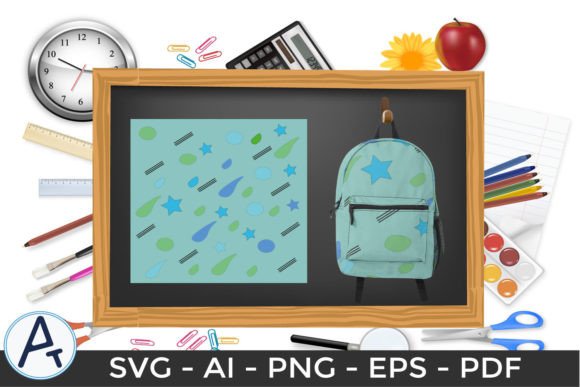
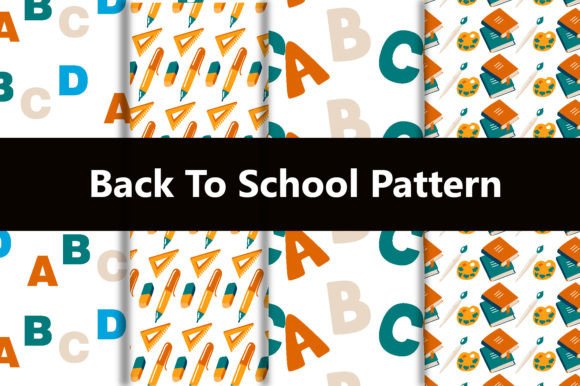
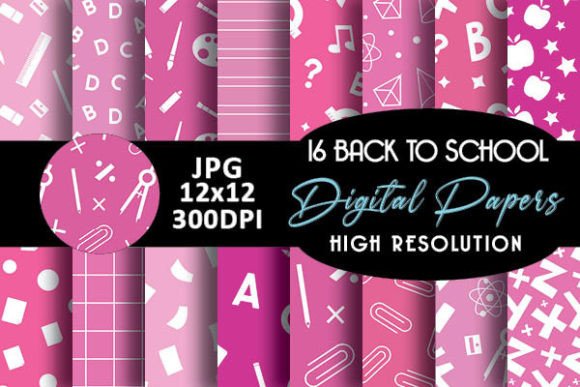
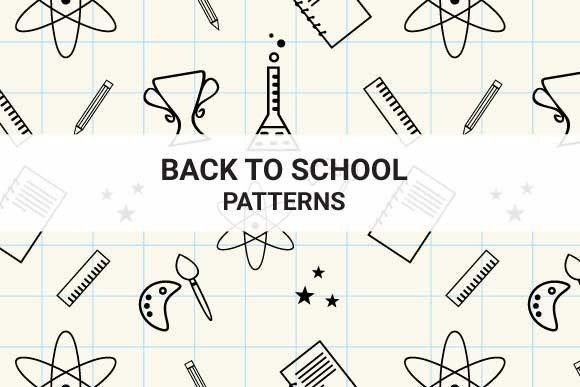
Back to School Patterns refer to repeating design elements that reflect the theme of returning to education. They can be used in both physical and digital formats, offering a cohesive visual identity for projects related to schools, students, or learning environments. These patterns are often available in high-resolution files such as EPS 10 and JPEG, ensuring they look sharp on any device or print medium.
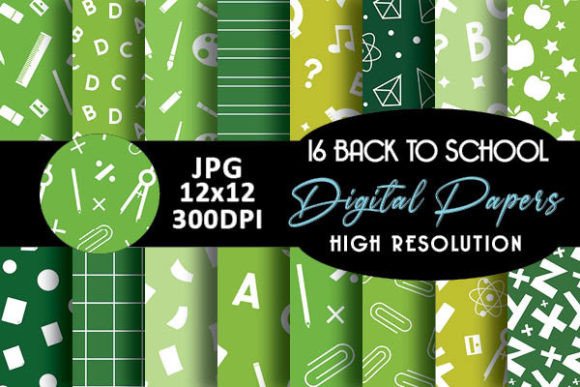
Each file is typically sized at 12 x 12 inches with 3600 x 3600 pixels and 300dpi, which makes them suitable for professional printing and digital use. The zip file usually includes two EPS files and two JPEG files, providing flexibility for different applications. Understanding the format and resolution of these files is crucial for ensuring they meet your project's needs.
Common Mistakes When Choosing Back to School Patterns
One common mistake is not checking the file format before downloading. While EPS files are great for vector graphics, JPEGs are better suited for raster-based designs. If you're working on a project that requires scalability, an EPS file might be more appropriate than a JPEG. Choosing the wrong format can lead to poor quality when scaling up or down.
Another issue is overlooking the resolution and dimensions of the pattern. Even if a pattern looks good on your screen, it may not print well if the resolution is too low. Always verify that the file meets the required specifications—300dpi is standard for print, while 72dpi is sufficient for web use.
How to Avoid Common Pitfalls
To avoid mistakes, take time to review the file details before downloading. Check the size, resolution, and format to ensure they match your project's requirements. If you're unsure about the best format to use, consider testing the pattern in a small project first. This allows you to see how it performs in real-world conditions.
For example, if you're creating a poster for a school event, using a high-resolution EPS file will ensure that the pattern remains crisp even when printed at a large size. On the other hand, if you're designing a social media graphic, a JPEG file may be more practical due to its smaller file size and compatibility with most platforms.
Misunderstandings About Using Back to School Patterns
Some users assume that all Back to School Patterns are interchangeable, but this isn't always the case. Different patterns may have unique styles, color schemes, or complexity levels. A pattern with intricate details might work well for a detailed illustration but could appear cluttered in a simple design. It's important to select a pattern that complements your overall aesthetic and purpose.
Another misunderstanding is that free patterns are always sufficient. While some free options are high quality, others may lack the resolution or detail needed for professional use. Investing in premium patterns can save time and effort in the long run, especially if you're creating materials for clients or public distribution.
Best Practices for Applying Back to School Patterns
When applying Back to School Patterns, consider the context in which they'll be used. For instance, a pattern with bright colors and bold shapes might be perfect for a children's book cover but could be overwhelming for a formal report. Choose a pattern that aligns with the tone and audience of your project.
Testing the pattern in different sizes and backgrounds can also help you determine its effectiveness. If the pattern doesn’t stand out or becomes too repetitive, it may need to be adjusted or replaced. Using a variety of patterns in a single design can add visual interest, but it’s important to maintain balance and avoid overcrowding the layout.
Key Considerations Before Making a Decision
Before finalizing your choice of Back to School Patterns, ask yourself a few key questions. What is the primary purpose of the pattern? Who is the target audience? What are the technical requirements for the project? Answering these questions can help you make a more informed decision and avoid costly mistakes.
Additionally, check the licensing terms of the pattern. Some files may require attribution or have restrictions on commercial use. Ensuring that you have the proper rights to use a pattern is essential, especially if you're planning to sell or distribute the final product.
Realistic Examples and Better Approaches
Imagine you're designing a set of printable worksheets for a teacher. Using a Back to School Pattern with a subtle, clean design would enhance the educational feel without distracting from the content. In contrast, a pattern with too many elements might make the worksheets look chaotic and hard to read.
Another example is a marketing campaign for a back-to-school store. Here, a bold and colorful pattern could attract attention and reinforce the theme. However, it’s important to test the pattern on different backgrounds and sizes to ensure it works consistently across all materials.
Conclusion: Make Informed Choices for Better Results
Back to School Patterns offer a versatile way to add visual appeal to a wide range of projects. By understanding the key factors involved in selecting and using these patterns, you can avoid common pitfalls and achieve better outcomes. Whether you're a designer, educator, or business owner, taking the time to evaluate your options will help you make decisions that align with your goals and standards.
Remember, the right pattern can elevate your work, while the wrong one can lead to unnecessary challenges. With careful consideration and practical approaches, you can make the most of Back to School Patterns and create designs that are both effective and appealing.